The Dance
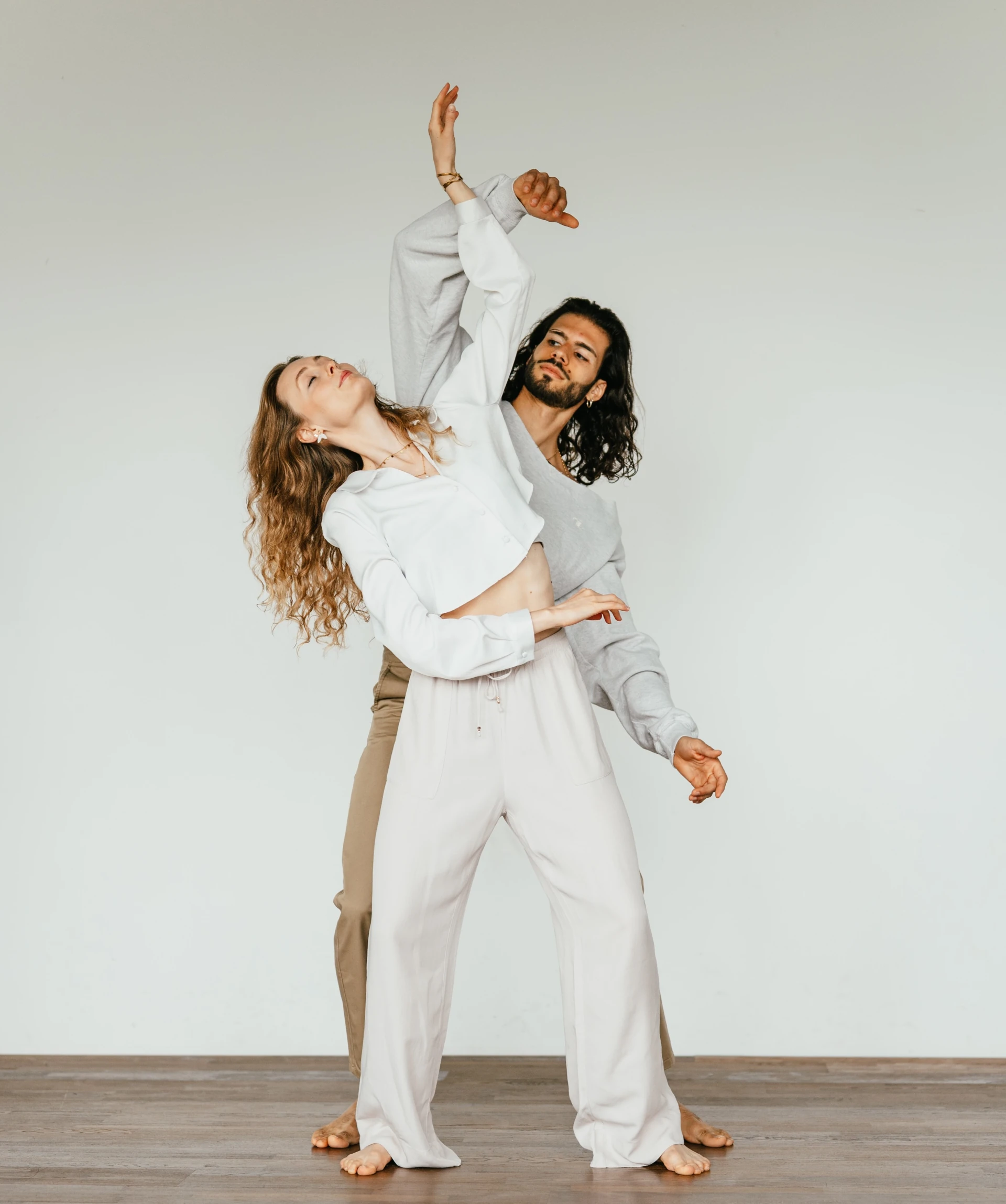
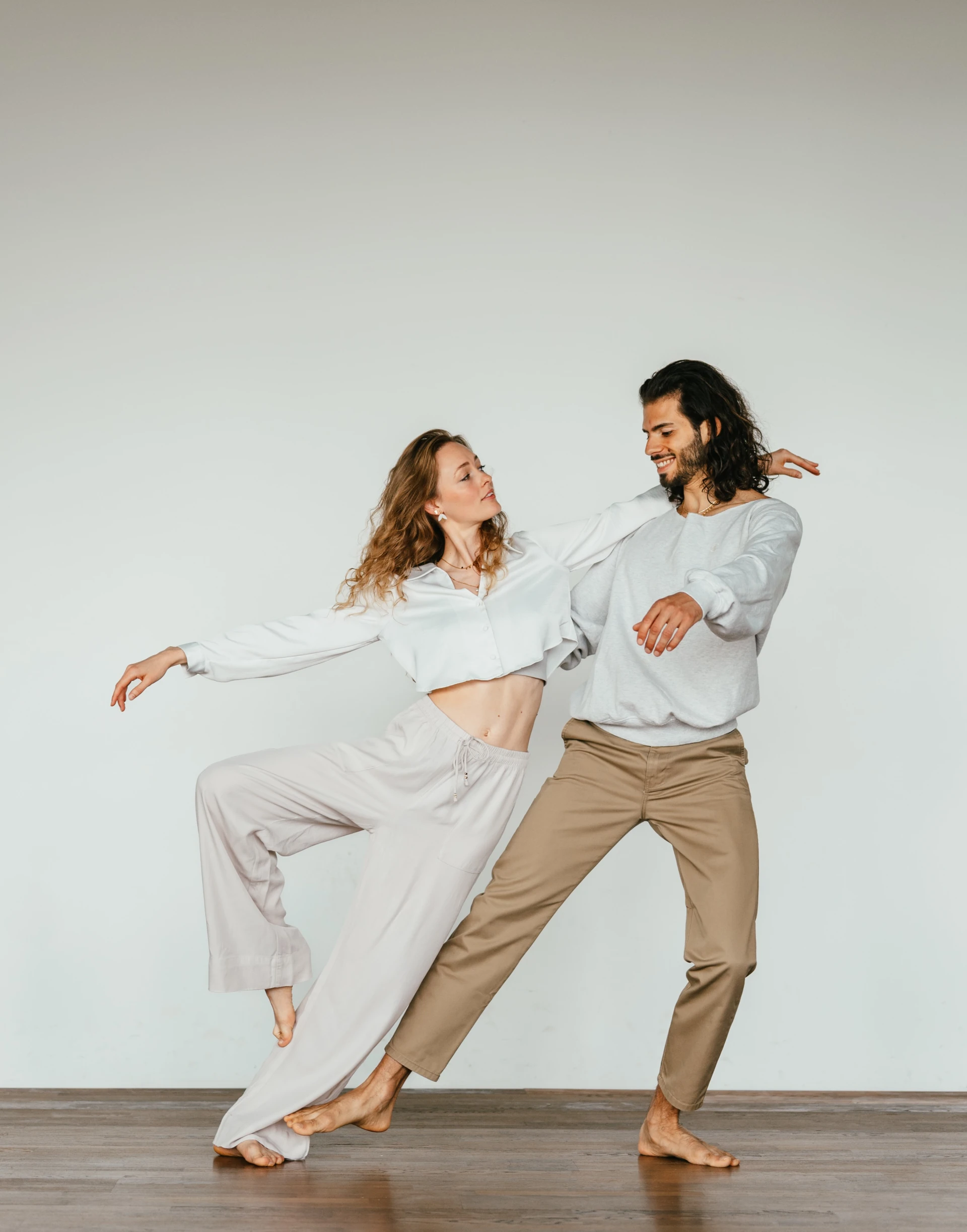
Zouk is a French word meaning "party" — but the dance itself is something far deeper. A fluid, expressive couple dance born in Brazil, it blends connection, musicality and movement into an experience that goes well beyond steps.
Origins
Brazilian Zouk is a Latin dance that began in Brazil in the early 1990s, growing out of the hugely popular Lambada. Lambada dominated nightclubs across Brazil — especially in Porto Seguro, São Paulo, Belo Horizonte and Rio de Janeiro — and gained worldwide fame through acts like Kaoma and Beto Barbosa, with influences from Samba-Reggae, Caribbean Zouk and Flamenco.
As Lambada's popularity began to wane, its devoted community turned to Caribbean Zouk music to keep dancing. Sung in French Creole, the dance became known as "French Lambada" — and gradually, simply as Zouk.
Because Zouk music carried different rhythmic characteristics from Lambada, the dance adapted organically. Styles diverged across Brazilian states and spread around the world, each community adding its own interpretation and flavour.
Adapted from the Brazilian Zouk Dance Council.
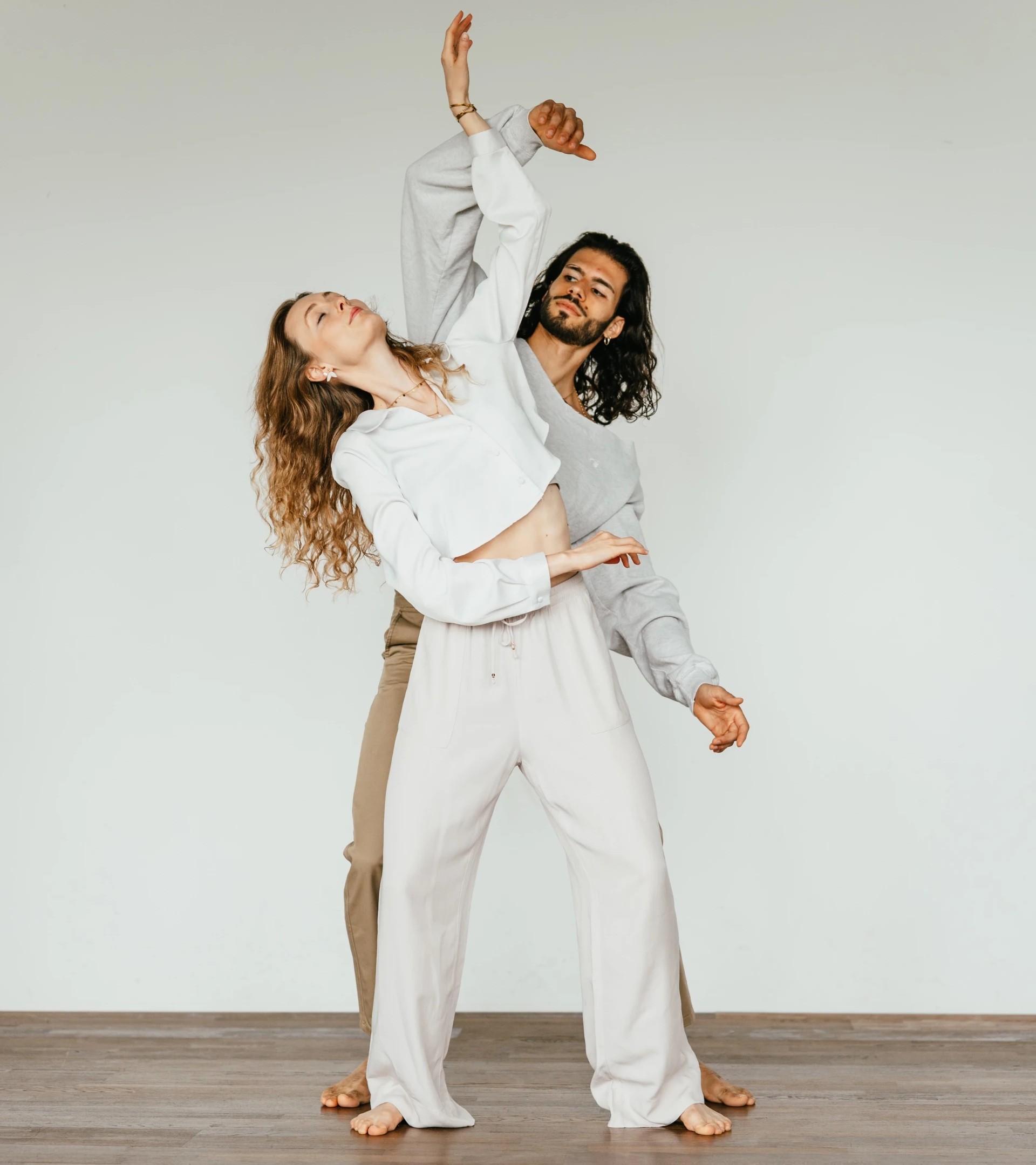
"You don't just dance, you feel — the connection between partners, the music moving through you, the body learning a new language."
Why we dance it
Brazilian Zouk, like many Latin American dances, is a social dance. The real experience doesn't happen in the classroom — it happens on the dance floor at a social: meeting the community, making new friends, sharing a passion for this special dance.
We believe dancing is much more than learning choreography. It is a path to personal growth, greater confidence and a life filled with meaningful connections. Our goal is for students to become an active part of this community — not just dancers, but participants in something lasting.
We organise socials regularly in Munich. Follow us to stay up to date. 🌱
Follow us @zoukseedHistory
From Brazilian nightclubs in the 1980s to a global social dance community — here's how Zouk found its shape, and how it found us.
Lambada sweeps Brazilian nightclubs — in Porto Seguro, Rio, São Paulo and beyond — gaining worldwide fame through bands like Kaoma and Beto Barbosa. Samba-Reggae, Caribbean Zouk and Flamenco all pour into the mix, creating a vivid cultural phenomenon spread through TV and film.
As Lambada's commercial wave subsides, its community continues dancing — now to Caribbean Zouk music, sung in French Creole. The dance floor community calls it "French Lambada", then gradually, simply: Zouk.
Zouk music has different rhythmic qualities to Lambada, so the dance adapts organically. Different states of Brazil and communities around the world develop their own interpretations — distinct regional styles that all share the same fluid, connected soul.
Brazilian Zouk spreads internationally — Europe, North America, Asia. Festivals, competitions and workshops emerge. Its openness to contemporary music (pop, electronic, hip hop) makes it one of the fastest-growing partner dances in the world.
Ursula and Stamatis bring the warmth and joy of the Brazilian Zouk community to Munich — every Wednesday in Giesing. The dance continues to grow, connect and evolve, one class and one social at a time.